
Search
Catalogue
More


Tags

High-Precision Detector Coil Winding
Time:2025-07-09 Edit by ZHPWTThe winding of detector coils is a critical step in RF receiving circuits (such as crystal radios and AM detectors). The winding methodology directly determines the inductance (L), Quality Factor (Q), and detection efficiency. Below is a detailed technical guide and client feedback from our 32-layer mirror-winding operation.
I. Material Preparation
Coil Former (Bobbin): Options include plastic tubes, paper cylinders, or Toroidal cores (e.g., NX0-100), typically 1–5cm in diameter.
Conductor: Enameled copper wire (0.2mm–0.5mm). Note: Thicker wire increases the Q value but reduces relative inductance for the same volume.
Magnetic Core (Optional): High-frequency ferrite rods can be used to increase inductance, especially for medium-wave detection.
Equipment: Precision winding machine, soldering station, insulation tape, LCR meter, and induction meter.
II. Winding Methodologies
Multi-Layer Winding (Space-Saving): Layers are wound sequentially, with insulation paper between each layer. Note that increased distributed capacitance may slightly reduce high-frequency performance.
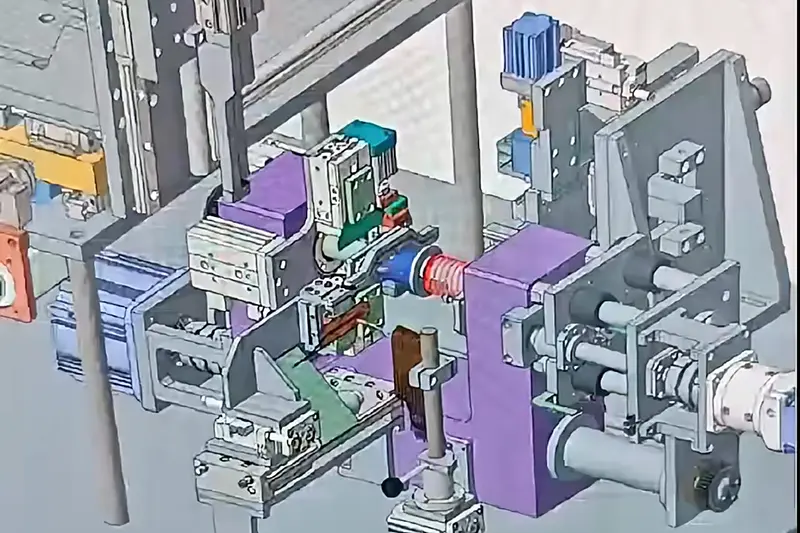
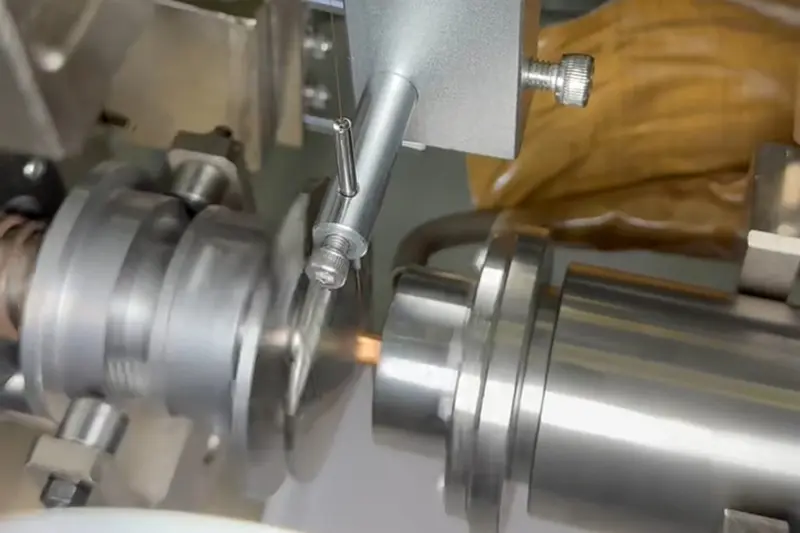
Honeycomb Winding (Professional): Utilizes specialized crossing patterns to minimize inter-layer capacitance and maximize the Q value. This requires advanced automated winding equipment.
Tap Processing: If multi-stage tuning is required, lead wires are extracted and securely soldered at specific turn counts.
III. Key Parameter Optimization
Quality Factor (Q): High Q improves selectivity. This is achieved by using thicker wire, keeping leads short, and ensuring the winding is tight and vibration-free.
Distributed Capacitance: Inter-layer capacitance can dampen high-frequency response. Single-layer winding is preferred if space allows.
Testing & Calibration: Use an LCR meter to verify inductance. If the deviation is large, adjust the turn count. Use a signal generator and oscilloscope to confirm the resonance frequency matches the target band.
IV. Critical Precautions
Insulation Integrity: Ensure the enamel is properly stripped before soldering to avoid "cold joints" or unintended shorts.
Securing the Coil: Once wound, use wax or specialized adhesive to fix the coil in place to prevent microphonics or inductance drift.
Interference Shielding: Keep the coil away from large metal objects and power lines to reduce parasitic losses.
V. Application Example: AM Crystal Radio Detector Coil
Specifications: Medium-wave (MW) reception, 3cm diameter air-core former, 0.3mm enameled wire.
Process: 90 turns of single-layer tight winding.
Measured Result: Inductance ~250μH, paired with a variable capacitor for AM band tuning.
Detection: Coil output is connected to a germanium diode (e.g., 1N34A) and high-impedance headphones.
About Guangdong Zongheng Technology Co., Ltd.
With 15 years of expertise, Guangdong Zongheng Technology focuses on the R&D and intelligent manufacturing of forming winding machines for Air-Core Coils, Alpha Coils, and Voice Coils. Our equipment is widely utilized in smartphones, 3C electronics, New Energy Vehicles (NEV), home appliances, aerospace, and maritime sectors.
Contact Us:
Phone: +86-139-2581-0131 (Mr. Feng)
