Whatsapp
A hollow coil is a specialized electromagnetic component characterized by a central void that allows fluid flow, mechanical integration, or sensor insertion without compromising electromagnetic performance. This article provides a comprehensive technical overview of hollow coils, focusing on how they function, how design parameters influence performance, and how they are applied across industrial, automation, medical, and energy-related systems. The discussion emphasizes engineering principles, configuration logic, and deployment considerations while addressing common technical questions encountered by system designers and procurement professionals.
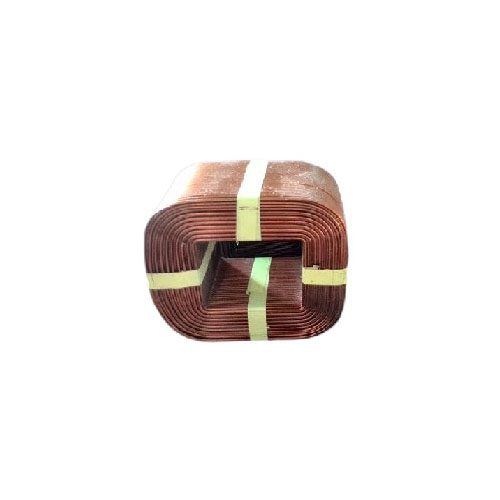
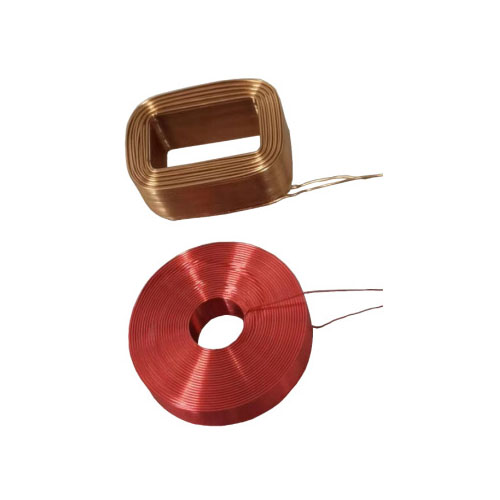
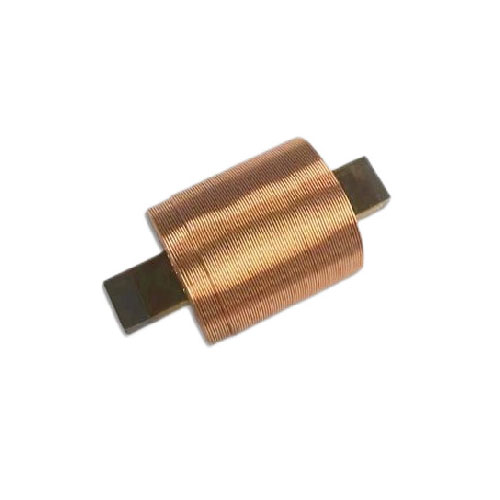
A hollow coil is an electromagnetic winding formed around an empty cylindrical or shaped core instead of a solid magnetic or non-magnetic center. This structural approach enables the coil to generate a magnetic field while preserving an internal channel for functional integration. The hollow geometry is not incidental; it is a deliberate engineering choice that allows designers to combine electromagnetic actuation or sensing with mechanical, thermal, or fluidic processes.
From an electromagnetic standpoint, the magnetic field produced by a hollow coil follows the same governing laws as conventional coils, including Ampère’s circuital law and Faraday’s law of induction. However, the absence of a solid core modifies magnetic permeability, inductance distribution, and heat dissipation behavior. These differences are often exploited to achieve predictable field linearity, reduced hysteresis, and faster dynamic response.
The central void frequently serves one or more of the following purposes:
Structurally, hollow coils are manufactured using precision winding techniques to maintain consistent turn spacing and mechanical stability. Insulation layers, impregnation resins, and external housings are selected to protect against vibration, moisture, and thermal cycling, particularly in industrial environments.
The performance of a hollow coil is determined by a set of interrelated electrical, thermal, and mechanical parameters. Accurate specification of these parameters is essential for ensuring compatibility with the target system and for maintaining long-term reliability.
| Parameter | Typical Range | Engineering Significance |
|---|---|---|
| Inner Diameter | 5 mm – 150 mm | Defines usable internal space for shafts, fluids, or sensors |
| Outer Diameter | 10 mm – 300 mm | Impacts winding volume and magnetic field strength |
| Number of Turns | 50 – 5000+ | Directly influences inductance and field intensity |
| Rated Voltage | 5 V – 480 V | Determines insulation requirements and power compatibility |
| Operating Temperature | -40°C to +200°C | Affects conductor resistance and insulation lifespan |
| Duty Cycle | Intermittent / Continuous | Defines allowable thermal load over time |
Inductance in hollow coils is typically lower than that of solid-core coils of similar size due to reduced magnetic permeability. This characteristic is advantageous in applications requiring rapid current changes or precise field control. Thermal behavior is another defining factor; the hollow structure enables more efficient heat transfer, particularly when combined with forced air or liquid cooling through the central channel.
Mechanical tolerances are equally important. Variations in winding tension, concentricity, or insulation thickness can introduce electromagnetic asymmetry, leading to uneven field distribution or localized heating. As a result, hollow coils used in precision systems often undergo dimensional inspection and electrical testing prior to deployment.
Q: How does a hollow coil differ electrically from a solid-core coil?
A: A hollow coil generally exhibits lower inductance and minimal magnetic saturation because it lacks a ferromagnetic core, resulting in more linear electromagnetic behavior across a wide operating range.
Q: Can hollow coils operate continuously at high power?
A: Continuous operation is feasible when the coil is designed with appropriate conductor size, insulation class, and thermal management, including airflow or liquid cooling through the central void.
Q: Is the magnetic field weaker without a solid core?
A: While peak field strength may be lower, the field produced by a hollow coil is often more uniform and predictable, which is critical for sensing, metering, and precision actuation tasks.
Hollow coils are employed across a broad spectrum of industries due to their adaptability and integration-friendly design. Their ability to combine electromagnetic functionality with mechanical clearance makes them particularly valuable in compact or multifunctional systems.
In industrial automation, hollow coils are frequently used in linear actuators, solenoid valves, and magnetic clamping systems. The hollow center allows actuator rods or fluid channels to pass directly through the coil, reducing system complexity and improving response time.
In medical and laboratory equipment, hollow coils support imaging, diagnostic, and analytical instruments where controlled magnetic fields must coexist with optical paths, sample holders, or fluid delivery systems. The absence of a solid core minimizes magnetic interference and facilitates sterilization or cleaning processes.
Energy and power systems also benefit from hollow coil designs, particularly in inductive heating, wireless power transfer, and current sensing applications. The hollow structure enables placement of conductors or pipelines within the magnetic field, improving coupling efficiency and measurement accuracy.
Transportation and mobility sectors increasingly adopt hollow coils in electric drivetrains, braking systems, and sensor arrays. Their lightweight construction and thermal efficiency align well with performance and efficiency targets in electric and hybrid platforms.
Future development of hollow coil technology is closely tied to broader trends in electrification, automation, and system integration. As devices become more compact and multifunctional, demand continues to grow for components that deliver electromagnetic performance without imposing spatial or thermal constraints.
Advances in conductor materials, such as high-purity copper alloys and composite wires, are expected to reduce resistive losses while improving mechanical durability. At the same time, progress in insulation coatings and impregnation techniques will extend operational lifespans under higher voltages and temperatures.
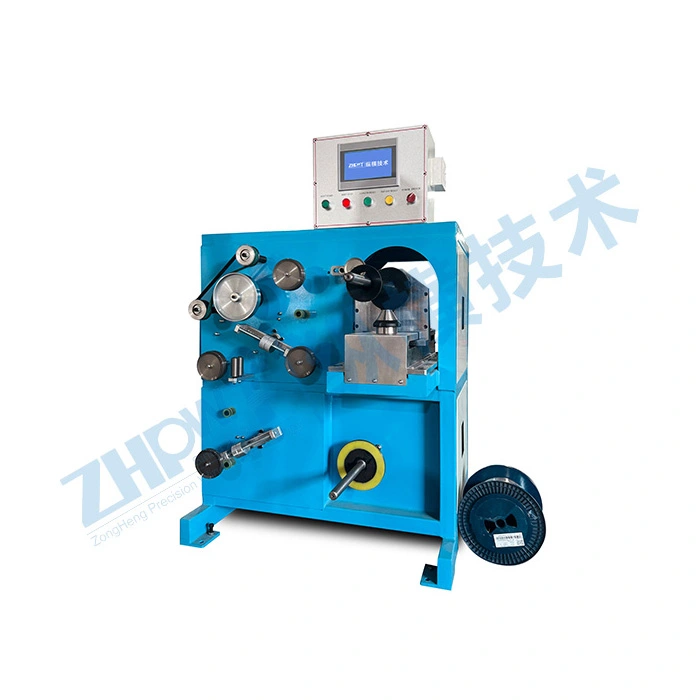
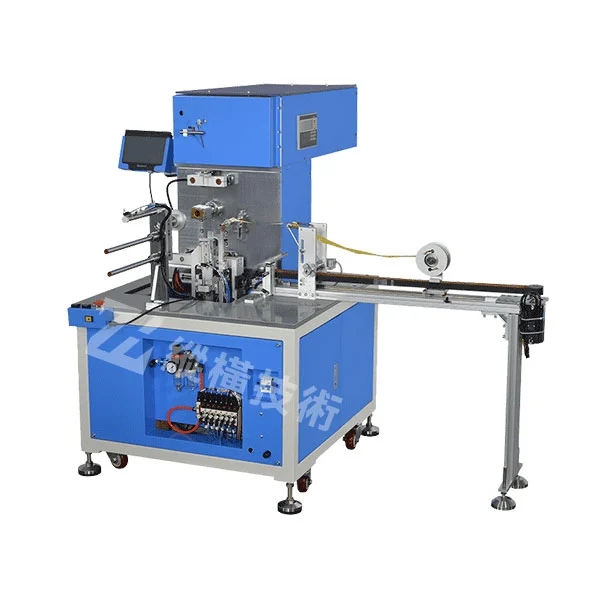
Manufacturing innovation also plays a critical role. Automated precision winding, inline testing, and digital quality control systems are enabling tighter tolerances and greater design consistency. These capabilities support customization at scale, allowing hollow coils to be tailored to specific applications without excessive lead times.
In this evolving landscape, manufacturers such as Zongheng continue to expand hollow coil development by aligning electromagnetic design expertise with application-driven engineering requirements. This approach supports reliable integration across industrial, energy, and advanced equipment systems.
For project-specific requirements, technical consultation, or customized hollow coil solutions, stakeholders are encouraged to contact Zongheng to discuss design parameters, production capabilities, and long-term supply support.
-